




SEBI Algo Trading Rules 2025–2026: What Every Retail Trader Should Know
The New Era of Retail Algorithmic Trading in India
Algorithmic trading in India is evolving rapidly, and 2025–2026 marks one of the most important regulatory transformations for retail traders, brokers, fintech companies, and algo trading platforms.
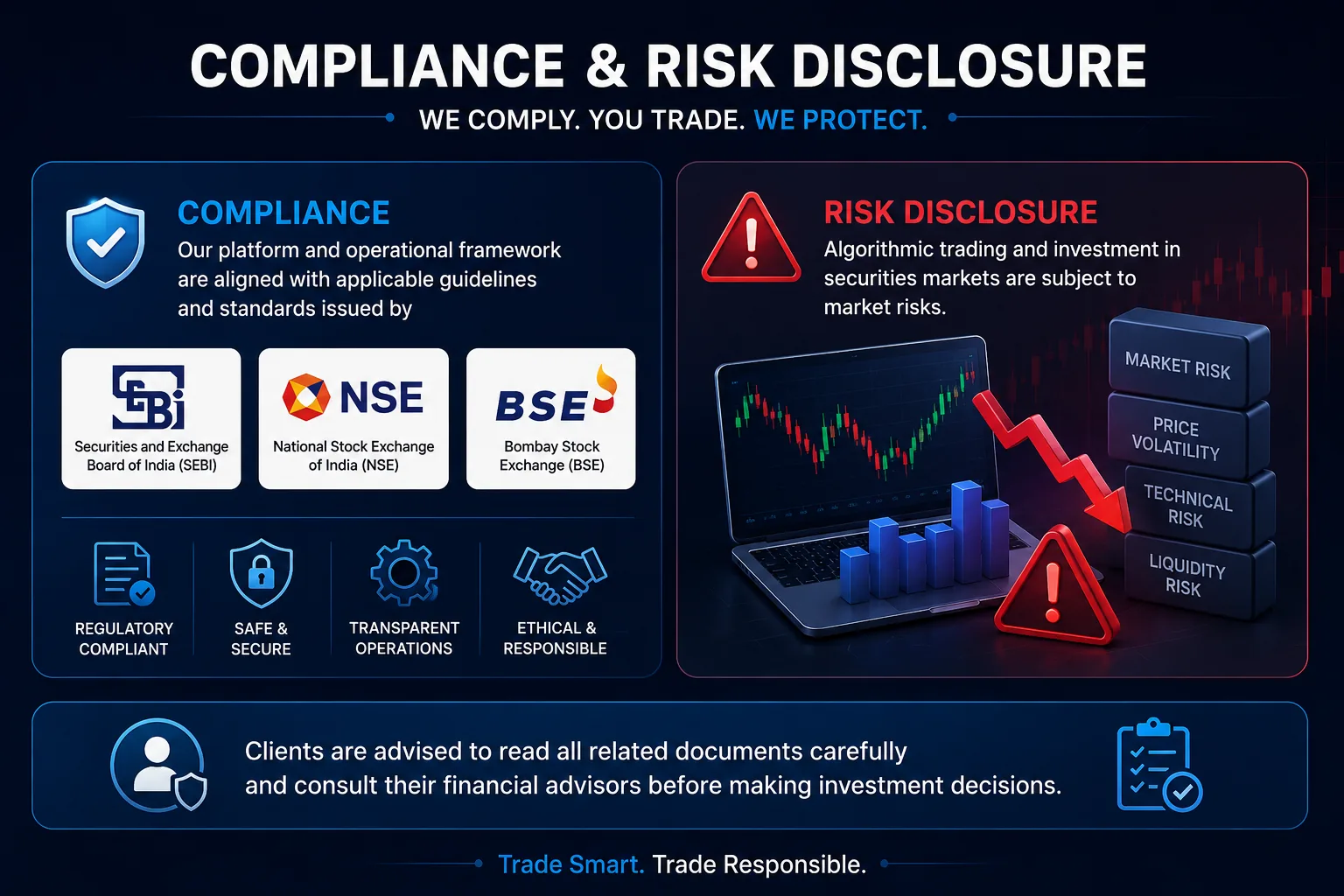
The Securities and Exchange Board of India (SEBI), along with stock exchanges such as NSE and BSE, has introduced a structured regulatory framework focused on transparency, investor protection, cybersecurity, compliance, and responsible automation.
At QUICK ALGOPLUS PRIVATE LIMITED, we believe this framework is not a restriction on innovation — it is a foundation for building a safer, more transparent, and scalable algorithmic trading ecosystem for retail participants across India.
Why These Regulations Were Introduced
Retail participation in algorithmic trading increased significantly due to:
- API-based trading access
- Growth of fintech and algo platforms
- Automated strategy execution tools
- Broker-integrated trading systems
- Increasing awareness among retail traders
However, rapid growth also created several concerns:
- Unregulated algo vendors
- Unauthorised API access
- Lack of audit trails
- Poorly tested automation systems
- Misleading performance claims
- Increased operational and market risks
To address these concerns, SEBI introduced a regulated framework designed to improve accountability, security, transparency, and investor safety.
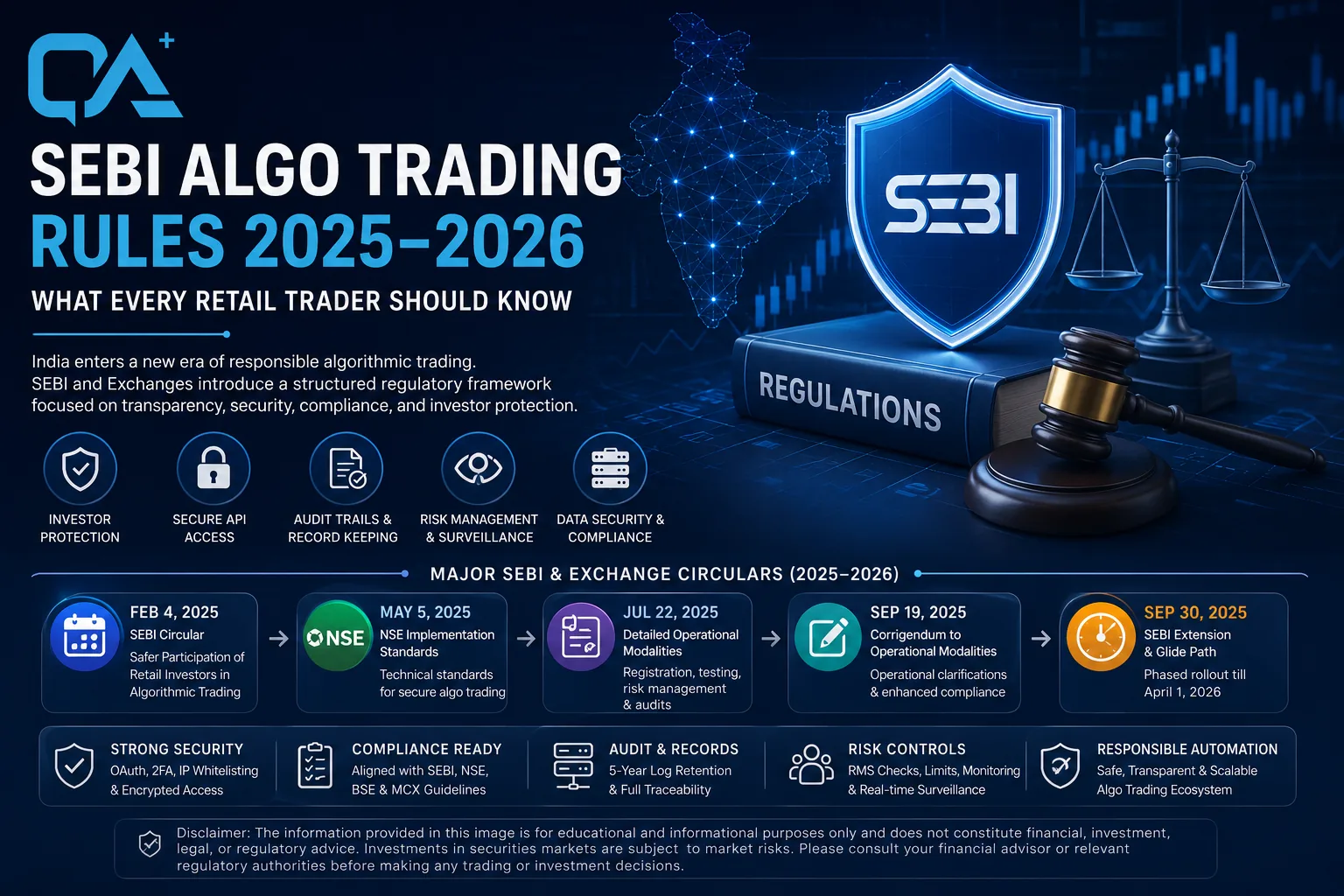
Major SEBI & Exchange Circulars (2025–2026)
1. Safer Participation of Retail Investors in Algorithmic Trading
Issued by SEBI on February 4, 2025
This circular established the foundational regulatory framework for retail algorithmic trading in India.
Key highlights include:
- Broker-supervised API-based algo trading
- Mandatory audit trails and traceability
- Unique Algo IDs for registered algos
- Defined responsibilities for brokers and algo providers
- Stronger investor protection measures
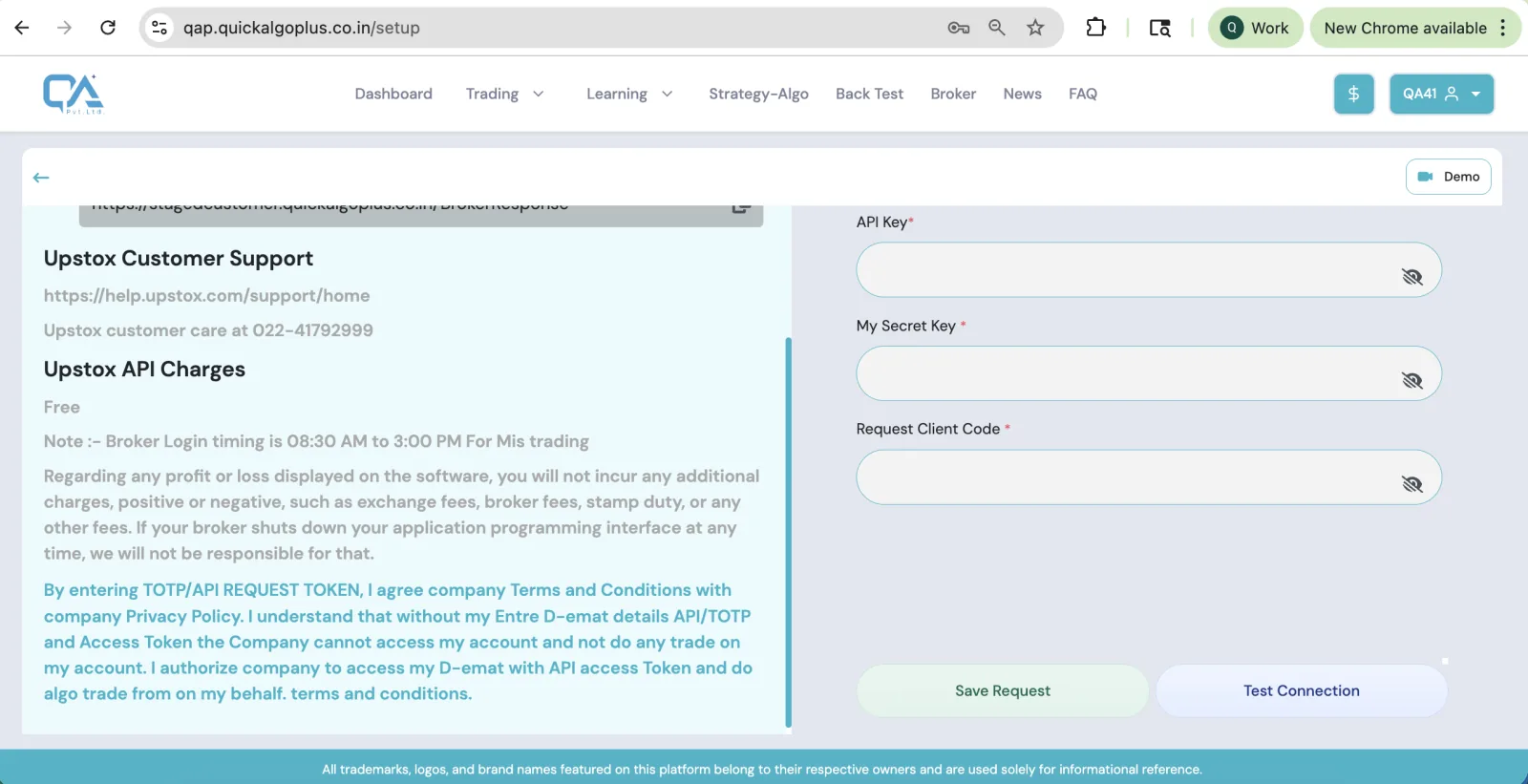
- Security-focused API authentication requirements
This framework aims to ensure safer participation of retail investors while encouraging responsible innovation.
2. NSE Implementation Standards
Issued on May 5, 2025
NSE released technical implementation standards for retail algo trading systems.
Important operational requirements include:
- Static IP whitelisting
- OAuth-based authentication
- Two-Factor Authentication (2FA)
- Unique API keys
- Daily API session logout requirements
- Minimum 5-year audit log retention
- Hosting requirements within India
- Orders Per Second (OPS) monitoring standards
These standards help create a secure and traceable trading infrastructure.
3. Detailed Operational Modalities
Issued on July 22, 2025
This circular introduced detailed operational guidelines for brokers, exchanges, and algo providers.
The framework includes:
- Algo provider empanelment process
- Product and strategy registration workflows
- Mandatory risk management controls
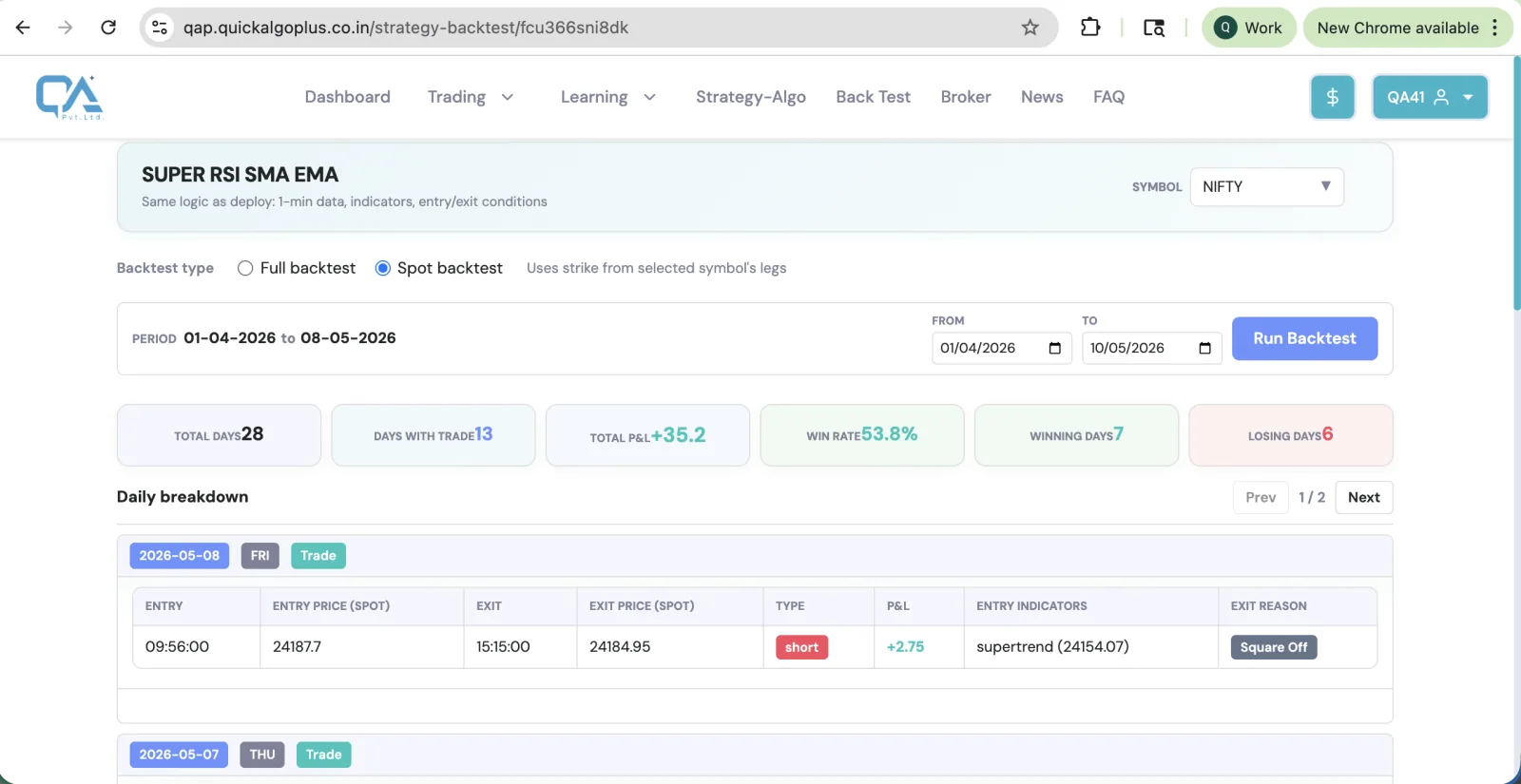
- Simulation testing before deployment
- Audit and monitoring requirements
- Data confidentiality controls
- RMS and surveillance mechanisms
It also clarified approval timelines and operational accountability for all ecosystem participants.
4. Corrigendum to Operational Modalities
Issued on September 19, 2025
Following industry feedback, exchanges introduced operational clarifications and practical adjustments.
Important updates included:
- Expanded definition of Client Direct API
- ISO 27001:2022 compliance requirements
- Half-yearly VAPT audit requirements
- Improved operational clarity for brokers and vendors
- Enhanced cybersecurity expectations
- Additional compliance controls for algo providers
This corrigendum strengthened cybersecurity and operational governance across the industry.
5. SEBI Extension & Glide Path Framework
Issued on September 30, 2025
SEBI provided a phased implementation timeline to help brokers and algo providers transition smoothly into the new framework.
Implementation milestones extended up to April 1, 2026, allowing industry participants to:
- Upgrade infrastructure
- Complete compliance procedures
- Conduct testing and mock sessions
- Improve operational readiness
- Ensure stable rollout of systems
This phased approach supports structured adoption across the Indian trading ecosystem.
Key Compliance Areas for Algo Trading Platforms
API Security & Authentication
Modern algo trading systems are expected to maintain strong security practices, including:
- Secure API authentication
- IP whitelisting
- Encrypted communication
- Session management controls
- Multi-factor authentication
- Audit logging and monitoring
Audit Trails & Record Maintenance
Platforms and brokers may maintain records related to:
- API activity
- Order execution logs
- Client interactions
- Consent records
- Communication records
- RMS and surveillance logs
Such records may be preserved as required under applicable regulatory and compliance guidelines.
Risk Management & Market Safety
Risk management frameworks are important for maintaining orderly market participation.
Controls may include:
- Position limit monitoring
- Margin validation
- Exposure checks
- Quantity and price validations
- Self-trade prevention controls
- Real-time surveillance systems
WhiteBox & BlackBox Strategy Classification
WhiteBox Strategies
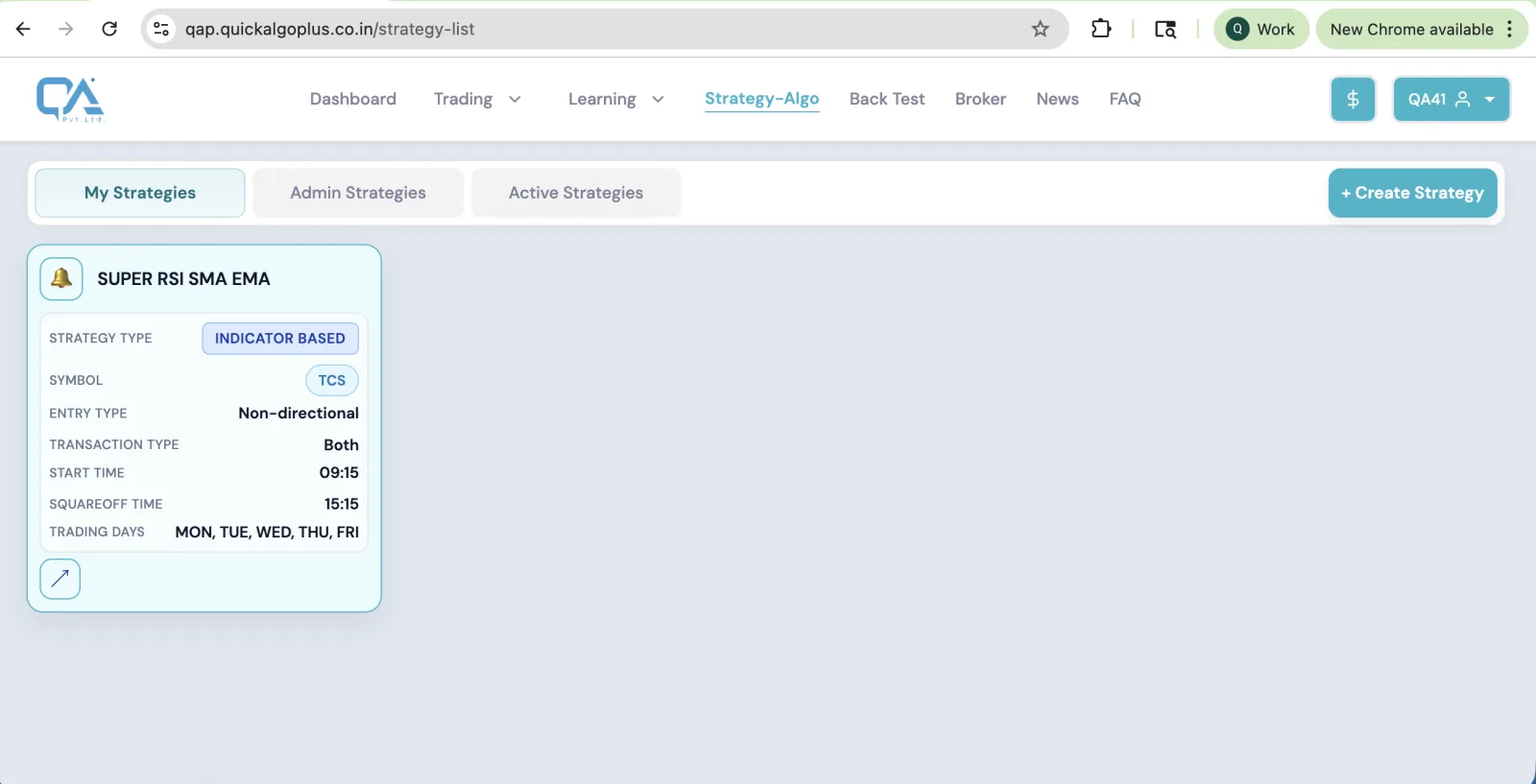
WhiteBox strategies provide visibility into trading logic, indicators, and execution rules.
BlackBox Strategies
BlackBox strategies operate through proprietary logic where internal calculations may not be publicly disclosed. Applicable regulatory registrations and compliance obligations may apply based on the nature of services offered.
QUICK ALGOPLUS PRIVATE LIMITED’s Commitment Toward Compliance & Security
QUICK ALGOPLUS PRIVATE LIMITED is focused on building a professional, secure, and compliance-oriented algorithmic trading ecosystem.
Our operational approach includes focus areas such as:
- Secure broker API integrations
- Controlled platform access
- Audit-oriented operational processes
- Infrastructure security standards
- Risk management practices
- Technology-driven compliance readiness
- User transparency and operational accountability
QUICK ALGOPLUS PRIVATE LIMITED also follows infrastructure and operational practices aligned with ISO 27001:2022 information security standards.
A Responsible Future for Retail Algo Trading
The Indian algorithmic trading ecosystem is entering a new phase where innovation, regulation, and investor protection are working together.
The evolving regulatory framework aims to:
- Improve investor confidence
- Strengthen cybersecurity
- Increase transparency
- Promote responsible automation
- Create safer market participation
- Encourage sustainable fintech innovation
For retail traders, brokers, and technology providers, this marks the beginning of a more structured and trusted algo trading environment in India.
Final Thoughts
The 2025–2026 SEBI algo trading framework represents a major step toward creating a secure, transparent, and scalable retail automation ecosystem for Indian capital markets.
As the industry evolves, compliance, operational discipline, cybersecurity, and investor protection will continue to play a critical role in shaping the future of algorithmic trading.
QUICK ALGOPLUS PRIVATE LIMITED remains committed to supporting innovation responsibly while aligning with evolving industry standards, operational best practices, and applicable regulatory frameworks.